
Reviewed · MAURITIUS
Join us for your first bubbles !
The ocean is waiting just beyond the pool. This gentle introduction lets you test scuba in Mauritius without signing up for a full certification course. I like the pool practice first, which gives you a safer place to learn the basic skills, and I like the small maximum group of 10, since personal attention matters when you are trying breathing equipment for the first time.
The main drawback is that two and a half hours passes quickly. You receive an introduction rather than a full course, and weather can affect the sea portion. You also need to plan carefully around your flight, since you cannot take a flight within 18 hours after the session.
In This Review
- Key points before you book
- Why this is a sensible first scuba experience in Mauritius
- Meeting at Veranda Tamarin Hotel and Spa
- Forms, equipment, and the first briefing
- Pool exercises before the sea
- The boat trip across Tamarin Bay
- Underwater with constant instructor supervision
- What the $92.92 price really covers
- Who will enjoy this most?
- Timing around your Mauritius flight
- Practical verdict on the Tamarin OceanPro session
- Should you book it?
- FAQ
- How long does the scuba experience last?
- Where does the activity begin and end?
- Is scuba equipment included?
- Do I need scuba certification?
- Can I fly soon after the activity?
- What happens if bad weather cancels the activity?
Key points before you book
- Pool training comes first: You learn basic equipment use and exercises before heading into the sea.
- A boat carries you to the open water: The outing includes a boat trip from the Tamarin area.
- An instructor stays with you: Your first underwater session takes place under constant supervision.
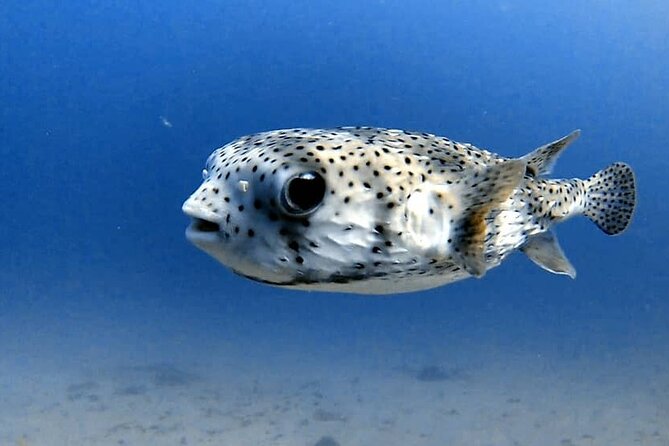
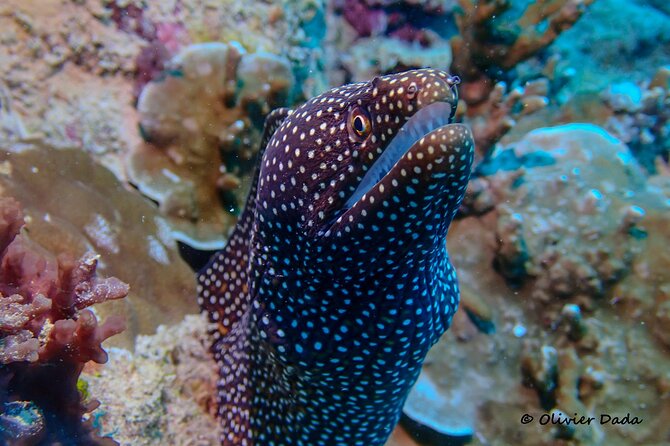
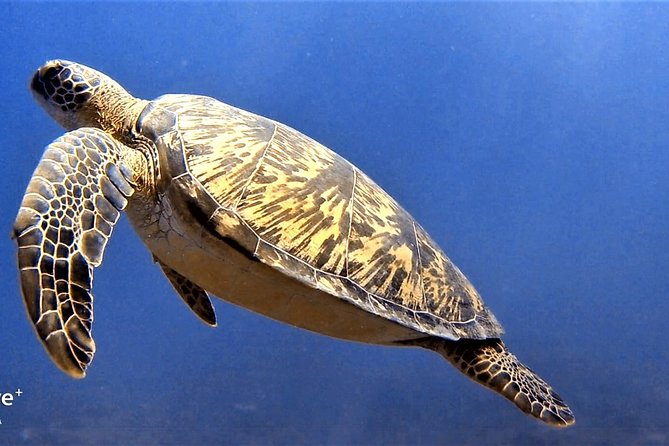
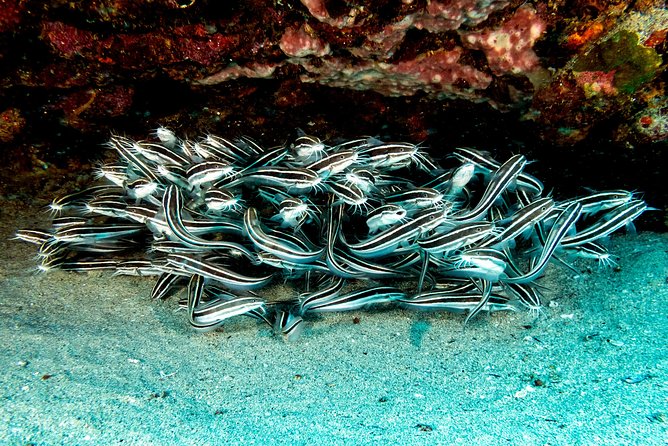
- Wildlife is part of the appeal: The local sea can offer encounters with underwater species, including a reported sighting of a pod of dolphins.
- Equipment and instruction are included: You do not need to arrange your own scuba gear for this experience.
- The timing needs care: The activity lasts about 2 hours 30 minutes, but you must leave 18 hours between the session and a flight.
Why this is a sensible first scuba experience in Mauritius
Many people like the idea of scuba but hesitate at the thought of committing to lessons, exams, and certification. This experience offers a useful middle ground. You get a taste of the equipment, the breathing method, and the feel of being underwater, but you do not have to begin a full training program.
That makes it a good choice if you are curious but unsure. You can find out how your body reacts to the mask, regulator, and underwater breathing before spending more time and money on a certification course.
The setting also helps. Mauritius is surrounded by warm tropical water and is known for its sea life, so your first session has a natural sense of occasion. You are not simply standing in a classroom listening to instructions. You learn in a pool, then continue into open water near Tamarin.
I especially like that the session does not throw a first-timer straight into the sea. The pool gives you a controlled place to understand the equipment and practise basic exercises. If you need a moment to adjust, it is far less stressful to do so there than from a boat in open water.
Other Mauritius outings people book on the same trip:
- Mauritius: Private Southwest Chamarel Highlights Tour
★ 4.8 · 1,427 reviews - Mauritius: Private South-West Nature & Viewpoints with Lunch
★ 4.8 · 1,129 reviews - Hiking Le Morne Brabant
★ 5.0 · 661 reviews
Meeting at Veranda Tamarin Hotel and Spa
The activity begins at Veranda Tamarin Hotel and Spa on Tamarin Bay, Royal Road, Tamarin, Mauritius. It also ends at this same meeting point, which keeps the day simple and avoids arranging a separate return transfer.
The location is near public transportation, another practical advantage if you are staying in or around Tamarin. You should still allow enough time to arrive calmly. Filling out forms, changing, equipment checks, and the briefing all take part of the two-and-a-half-hour schedule.
This is not a long expedition. It is a compact introduction, so the meeting point functions as the base for the whole session. You begin there, receive your instructions and equipment, complete the pool work, travel by boat, and return after the sea portion.
The maximum group size is 10 people. That is not a private lesson, but it is small enough to make direct supervision possible. For a first scuba session, that matters. You want the instructor to be able to watch your technique and respond if you are uncomfortable.
Forms, equipment, and the first briefing
Your session begins with forms and an introduction to the equipment. This is where you learn what each item does and how the parts work together.
The briefing is not merely paperwork before the fun begins. It sets the ground rules for breathing, movement, and communication underwater. You will want to listen closely, even if you have used a mask and snorkel before. Scuba equipment feels different, and calm, steady breathing is a large part of feeling comfortable.
All necessary equipment is provided. That means you do not need to bring a personal tank, regulator, or other scuba gear. The supplied information does not specify what personal clothing or swim equipment you should bring, so it is sensible to check directly with Tamarin OceanPro Divingcenter before setting out if you have questions about towels, swimwear, or other items.
I appreciate the order of the session. You are not asked to guess how the equipment works once you reach the boat. You first hear the explanation, get equipped, and then practise the basic exercises in the pool.
Pool exercises before the sea
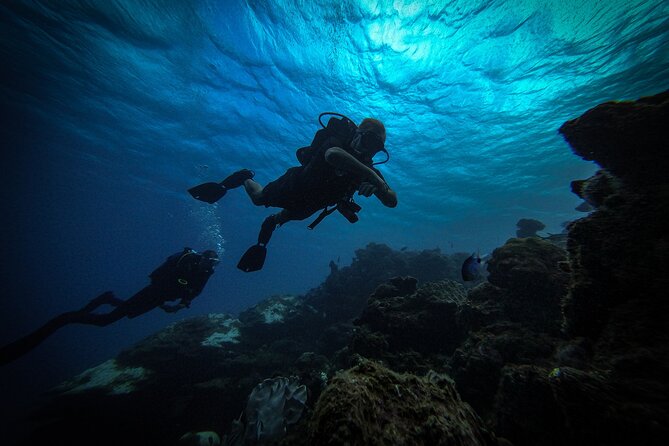
The pool is the most useful part of the introduction for anyone who feels nervous. It gives you a chance to get used to breathing through the regulator and handling the basic equipment in a controlled setting.
The exact exercises are not specified, but the purpose is clear: you learn the fundamentals before moving to open water. You can focus on the feel of the gear rather than trying to manage new equipment, a boat, and the sea all at once.
This stage also gives you an honest test of your comfort level. Some people love the sensation immediately. Others need time to settle into it. If you discover that scuba is not for you, it is better to learn that in the pool than after reaching the open sea.
The pool session does have a limit. It is preparation, not certification training. You will not leave with a scuba qualification, and you should not expect the same amount of practice offered in a full course. Still, for $92.92 per person, it provides a reasonably priced way to make an informed choice about your next step.
Still Mauritius, just a completely different sort of day:
- Mauritius: Private Full-Day Iconic Instagram Spots
★ 4.8 · 548 reviews - Mauritius: Le Morne Mountain UNESCO Eco Hike
★ 5.0 · 483 reviews - Hiking Sept Cascades (Tamarind Falls) – Half Day
★ 5.0 · 455 reviews - Mauritius: 7 Waterfalls Hike with Lunch and Hotel Transfers
★ 4.6 · 454 reviews
The boat trip across Tamarin Bay
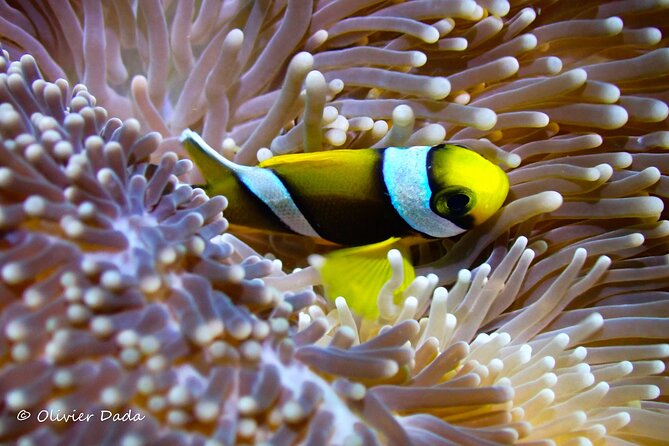
Once the basic exercises are complete, you head out by boat. This transfer changes the mood of the experience. The pool is about learning the mechanics; the boat ride takes you toward the natural setting that brought you to Mauritius in the first place.
The provided details do not specify the boat route, the exact sea site, or how far the group travels. I would not book this expecting a particular reef, wreck, or named animal encounter. The promise is a supervised open-water scuba session and the chance to see local underwater wildlife.
That uncertainty is part of any sea-based activity. Conditions, visibility, and wildlife can change. One especially memorable account describes swimming near a pod of dolphins, but you should treat that as a fortunate possibility rather than a guaranteed part of every departure.
The boat portion also adds useful variety to a short activity. You are not spending the entire session in one pool. You get a quick transition from instruction to the open-water environment, where the equipment and skills begin to feel more meaningful.
Underwater with constant instructor supervision
The central part of the experience is the open-sea session under constant supervision from the instructor. For a first-time participant, this is the feature that makes the activity approachable.
You are not expected to manage the experience alone. The instructor remains responsible for guiding and supervising the group, while you concentrate on breathing, following directions, and taking in the underwater surroundings.
The description promises an underwater world with local species. It does not promise a particular depth, length of time beneath the surface, or list of animals. That is worth keeping in mind. You may see fish or other sea life, and dolphins have been encountered, but wildlife sightings depend on nature.
I like this balance between structure and discovery. The instructor provides the safety framework, but the sea supplies the surprise. For many people, that first glimpse of underwater life is the reason to try scuba rather than remain at the pool stage.
The experience is also useful for deciding if you want more. If you enjoy the session, you can consider a proper certification course later. If you find the equipment or underwater breathing uncomfortable, you have learned something important without paying for a complete course.
What the $92.92 price really covers
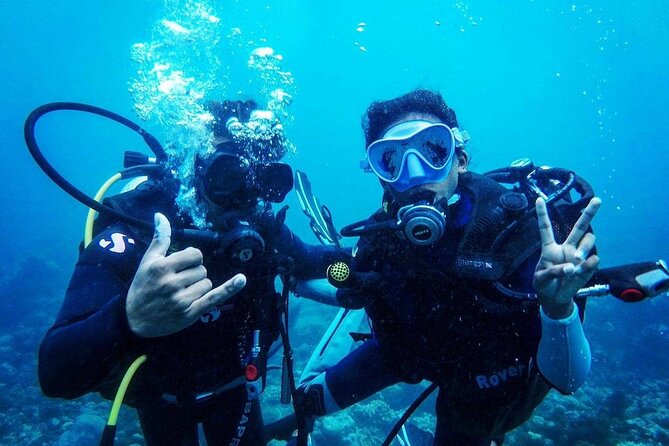
At $92.92 per person, the price is fair for a short, equipment-inclusive introduction. You are paying for instruction, the pool preparation, scuba equipment, a boat trip, and supervised time in the sea.
The value is strongest for a first-timer. Someone already certified and used to scuba may find the activity too basic. For you, the price buys a low-commitment trial rather than a full qualification.
The short duration keeps the cost and time commitment manageable, but it also limits the amount of underwater time. The 2-hour-30-minute schedule includes forms, equipment preparation, the briefing, pool exercises, the boat transfer, and the sea session. Do not mistake the total duration for two and a half hours underwater.
The small group size improves the value. A maximum of 10 participants is not the same as a private outing, but it should help the instructor keep track of beginners. That is more useful here than a large, crowded group where you might struggle to ask questions.
Who will enjoy this most?
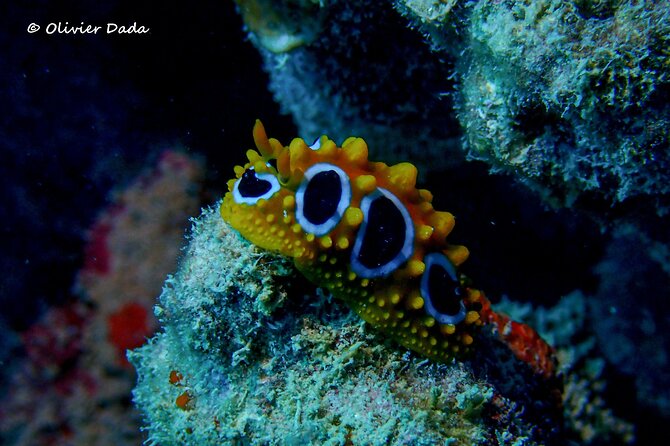
This experience suits you if you are curious about scuba but do not want to begin a full certification course. It also works well for visitors who want one active Mauritius outing that combines instruction, a boat ride, and a look beneath the surface.
It is a particularly good fit if you value reassurance. The pool practice and constant instructor supervision remove some of the uncertainty that can make a first attempt intimidating.
You should think twice if you want a long underwater session, a guaranteed animal encounter, or a formal scuba qualification. None of those is promised here. This is an introduction, not a complete training program.
The activity is also not suitable for everyone without medical clearance. People with asthma or other breathing problems, lung or chest conditions, epilepsy, seizures, fainting, previous dive accidents or decompression sickness, recent surgery, high blood pressure, heart conditions, a history of heart attack or stroke, heart or ear surgery, hernia, ulcers or ulcer surgery, colostomy, or certain psychological conditions must provide a recent medical certificate confirming fitness for scuba.
That list is not complete. If you have any medical concern, ask the provider before booking. Do not wait until the morning of the activity to discover that approval is needed.
Timing around your Mauritius flight
The 18-hour flight rule is one of the most important practical details. You cannot take a flight within 18 hours after the scuba session.
This affects the end of your trip most of all. If you are flying home the next morning, this activity may not fit your schedule. Put it earlier in your visit, leaving a proper gap before departure.
The same rule matters if you plan to fly to another island or take any other flight after the session. Check your exact flight time, not just the date, before confirming the booking.
Weather also matters. The activity requires good conditions. If poor weather causes cancellation, you will be offered another date or a full refund. That policy protects you from being pushed into an unsafe or disappointing sea outing, but it means you should avoid placing the activity on the only available day of a very short visit.
You can cancel for a full refund up to 24 hours before the local start time. Changes or cancellations inside that window are not accepted for a refund.
Practical verdict on the Tamarin OceanPro session
I would choose this experience if I wanted to test scuba in Mauritius without committing to certification. The pool preparation is thoughtful, the equipment is supplied, the group is limited to 10, and instructor supervision continues in the open sea.
The price makes sense for a first attempt, especially because a boat trip and supervised sea time are included. The dolphin encounter described in one account shows how special the outing can become, though you should book for the experience itself rather than for a guaranteed sighting.
The main caution is scheduling. Leave 18 hours before any flight, and keep a backup plan in case weather interrupts the sea portion. Also, be honest about medical conditions and arrange the required certificate in advance if needed.
Should you book it?
Book this session if you want a friendly first taste of scuba, appreciate a pool lesson before open water, and can spare 2 hours 30 minutes without rushing to the airport. It is a practical, modestly priced introduction with a real chance to see Mauritius from a completely different angle.
Skip it if you are seeking certification, a long technical session, or a guaranteed dolphin encounter. For the right beginner, though, this is a sensible way to find out if scuba is something you want to pursue.
FAQ
How long does the scuba experience last?
The activity lasts approximately 2 hours 30 minutes, including forms, equipment preparation, the briefing, pool exercises, the boat trip, and the supervised open-sea session.
Where does the activity begin and end?
It begins at Veranda Tamarin Hotel and Spa, Tamarin Bay, Royal Road, Tamarin, Mauritius. The activity ends back at the same meeting point.
Is scuba equipment included?
Yes. All necessary diving equipment and instruction are provided.
Do I need scuba certification?
No. This is an introductory scuba experience designed for people who want to try scuba without committing to a full certification course.
Can I fly soon after the activity?
No. You cannot take a flight within 18 hours after the session.
What happens if bad weather cancels the activity?
If poor weather causes cancellation, you will be offered a different date or a full refund. You can also cancel up to 24 hours before the start time for a full refund.
Recently added around Mauritius
- Mauritius: Watersport Adventure Day with Lunch and Pickup★ 3.9 · 3 reviews
- The Tea Story with Lunch★ 3.5 · 3 reviews
- Rodrigues Island – UNIVERS Tour★ 4.5 · 4 reviews
- Private Airport Transfer Mauritius From or To S.S.R International Airport★ 4.0 · 8 reviews
- Les septs Cascades Tamarind Falls★ 5.0 · 7 reviews
- Sweet Scenic 30KM★ 4.5 · 8 reviews
- Ocean Swim with Dolphins★ 4.0 · 4 reviews
- Crocodile Nature Park★ 4.5 · 9 reviews