
Reviewed · FOOD & DRINK
Mauritius: Port Louis Street Food City Tour
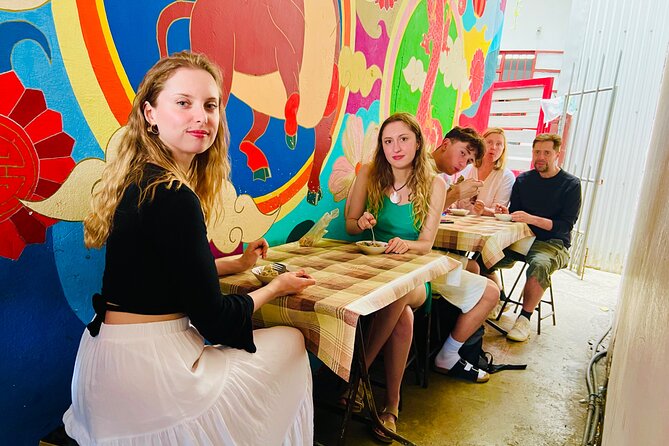
Port Louis is best tasted on foot. This three to four hour walk brings together Mauritian food, colonial streets, Chinatown, the central market, and important island history in one compact morning. I like the mix of eight food tastings and cultural stops, and I like that the small group, capped at 10 people, leaves room for questions and a more personal pace.
The main drawback is that this is a walking tour through busy city streets, so it may feel tiring in hot or wet weather. Still, guide Dourvesh receives special praise for giving useful background without overloading the walk, adjusting the experience to the group, and keeping the three hours moving at a comfortable pace.
In This Review
- Key points to know before booking
- Why this Port Louis food walk works
- Starting at Caudan Waterfront and IBL House
- Aapravasi Ghat: food with a serious historical frame
- Jummah Mosque and Port Louis religious life
- Chinatown, where old shops still shape the streets
- Central Market: the city’s food engine
- Company Garden and the great banyan trees
- The food: what you actually get
- Guide quality and group size
- Who should book this experience?
- Final verdict: a strong first taste of Port Louis
- FAQ
- Where does the Port Louis Street Food City Tour begin?
- What time does the tour start?
- How long does the tour last?
- What food and drinks are included?
- What places does the tour visit?
- How far in advance can I cancel for a full refund?
Key points to know before booking
- Eight Mauritian and Chinese-influenced tastings: Expect snacks, lunch, food samples, bottled water, and local flavors shaped by Indian, Chinese, and African cultures.
- Aapravasi Ghat adds real historical weight: The food walk also explains the indentured labor system that shaped Mauritius and much of its population.
- Port Louis is explored in a small group: A maximum of 10 people makes it easier to hear the guide and ask questions.
- The central market is a major food stop: You will see fruit, herbs, spices, potions, and local snacks in a working market rather than a staged food hall.
- Chinatown feels old and lived-in: Generations of Chinese-Mauritian families have operated shops here, including small, dark storefronts that retain an old-fashioned character.
- The tour begins and ends at IBL House: You meet at the Caudan Waterfront area at 10 a.m. and return to the same point.
Why this Port Louis food walk works
Port Louis can be hard to read on a first visit. The streets are busy, the market area is crowded, and the best food is not always found behind a polished sign. This walk gives you a local guide, a clear route, and enough context to understand what you are seeing.
The food matters because Mauritian cooking reflects the island’s mixed population. Indian, Chinese, and African influences appear in the ingredients, cooking methods, and street snacks. You are not only eating lunch. You are seeing how migration and trade shaped everyday life.
I also like the tour’s balance. You spend time at Aapravasi Ghat and Jummah Mosque, then move through Chinatown, the central market, and Company Garden. That combination keeps the morning from becoming a simple sequence of tastings. You get food, architecture, religion, trade, and public life in one outing.
At $49.40 per person, the value depends on how you use it. The fee includes snacks, lunch, food tastings, bottled water, and a local guide. It does not include transport from your hotel, but the meeting point is near public transportation. For a first look at Port Louis, the price is reasonable because it combines several separate sightseeing tasks with a meal.
More City Tours in Port Louis
- Port Louis: Street Food & City Tour
★ 4.7 · 518 reviews - Port Louis: Street Food & City Tour
★ 4.9 · 377 reviews - Port Louis: Street Eats and City Highlights Walking Tour
★ 4.9 · 73 reviews
Starting at Caudan Waterfront and IBL House
The meeting point is IBL House at the Caudan Waterfront. The tour starts at 10 a.m., a useful time for seeing the market before the day becomes even busier.
You should arrive ready to walk for several hours. The route passes through working streets rather than a controlled attraction, so comfortable shoes and clothes suited to warm weather make sense. The available information does not specify the exact food schedule, but the overall experience lasts about three to four hours.
The tour returns to the same meeting point. That makes it easier to plan the rest of your day in Port Louis, especially if you want to continue around the waterfront after lunch.
Aapravasi Ghat: food with a serious historical frame
The first major stop is Aapravasi Ghat, a World Heritage Site covering about 1,640 square meters. You spend roughly 30 minutes here, with admission included.
This is where the tour gains depth. In 1834, the British Government selected Mauritius as the first site for its plan to replace slave labor with indentured labor. From 1834 to 1920, almost half a million indentured laborers arrived from India at Aapravasi Ghat.
Many worked on Mauritius’s sugar plantations. Others were sent onward to Reunion Island, Australia, southern and eastern Africa, and the Caribbean. The site therefore connects Mauritius to a much wider movement of people and labor.
That background helps explain why Indian culture and food are so important on the island. When you later taste split-pea chili bites or see spices at the market, you have a clearer sense of the migration behind those flavors.
The stop is not long, and that is probably a good thing for a food-focused walk. You get a meaningful introduction without spending the entire morning in a museum setting. Still, if you want a detailed study of indentured labor, 30 minutes will only provide an introduction.
Jummah Mosque and Port Louis religious life
The next stop is Jummah Mosque, also called Jummah Masjid. The visit lasts about 10 minutes, and admission is included.
The mosque dates from the 1850s and combines Indian, Creole, and Islamic architectural elements. That mixture fits Port Louis, where different cultural traditions have shared the same city for generations.
The building also contains the remains of Jamal Shah, a pir from Kutch in India, in a marble tomb beside the mosque. This small detail gives the stop a personal and religious focus beyond its architecture.
Ten minutes is brief, so you should think of this as an exterior and cultural introduction rather than a long architectural visit. The value comes from seeing another part of the city’s identity while moving through the streets toward Chinatown.
More Food Tours in Port Louis
- Street Food Private Tour in Port Louis
★ 4.5 · 23 reviews - Port Louis Street Food and Cultural Walking Tour
★ 5.0 · 5 reviews - Port-Louis Street Food Tour
★ 5.0 · 264 reviews - Mauritius: Port Louis Street Food Walking Tour
★ 4.5 · 93 reviews
Chinatown, where old shops still shape the streets
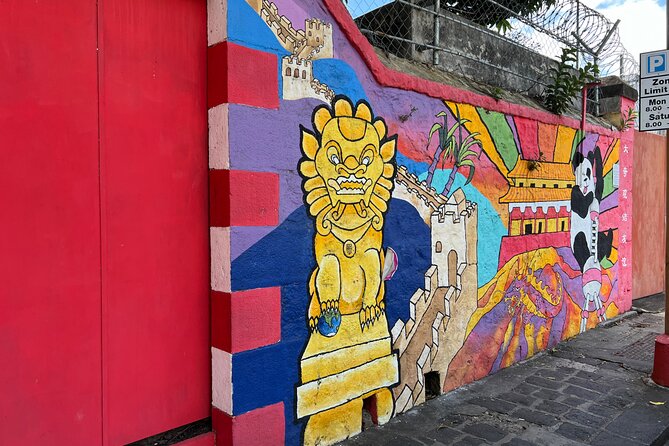
Chinatown receives about an hour, making it one of the longest stops. This is where the tour’s food and trade themes come together.
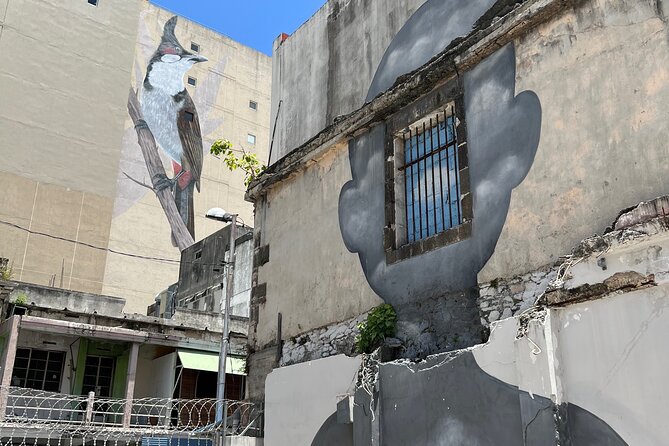
Many shops are more than 100 years old. Some Chinese-Mauritian families have operated their businesses for generations and have chosen not to replace the older buildings with newer structures. You may see tiny, dark retail shops that feel quite different from modern commercial areas.
That worn appearance is part of the appeal. The neighborhood does not present itself as a carefully restored historic quarter. Some buildings are newer, and the area has lost part of its former importance since supermarkets became common across Mauritius. Even so, the older stores preserve a strong sense of how trade once worked in Port Louis.
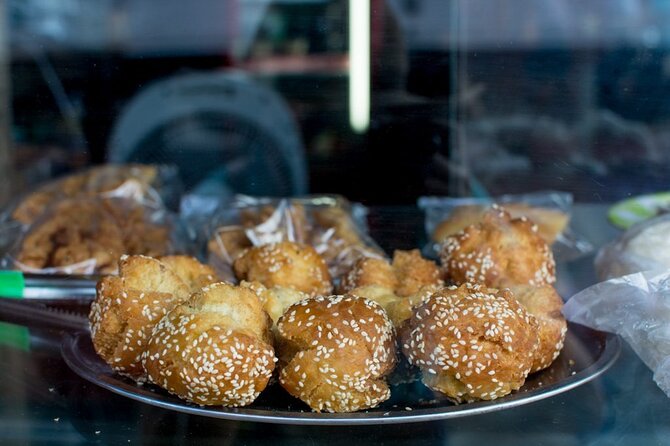
The food here reflects Hakka Chinese influence. You will try treats connected to that tradition, alongside other Mauritian samples. The exact dishes can vary, so you should not arrive expecting a fixed menu of named items. What is clear is that the tour includes about eight different tastings across the morning.
Dourvesh is especially useful here if you want to understand how food connects with family businesses and migration. The guide can also adjust the tour to your interests, which is helpful if you care more about food, architecture, or local culture.
Central Market: the city’s food engine
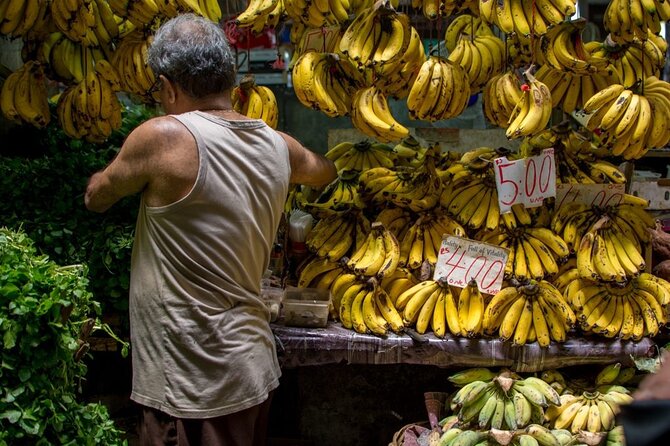
The central market is a key stop, with about 30 minutes to look around and taste. This is a working market selling fruit, herbs, spices, and potions. It is the kind of place where you can see ingredients before they become a finished meal.
The market can be crowded and noisy. That is part of its character, but it also means you should stay close to the guide and keep personal belongings secure. The tour gives you a route through the market, which saves you from trying to work out where to begin.
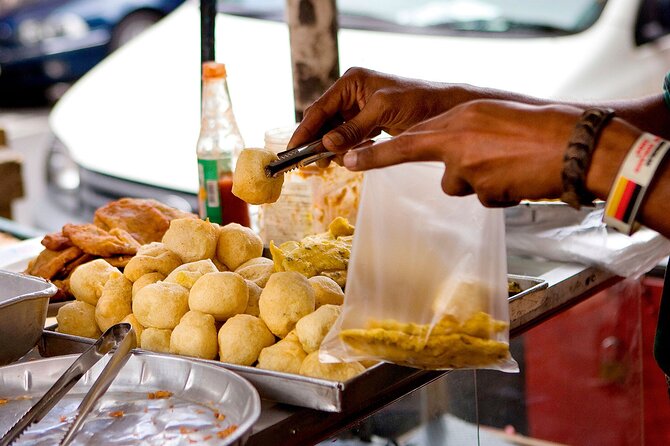
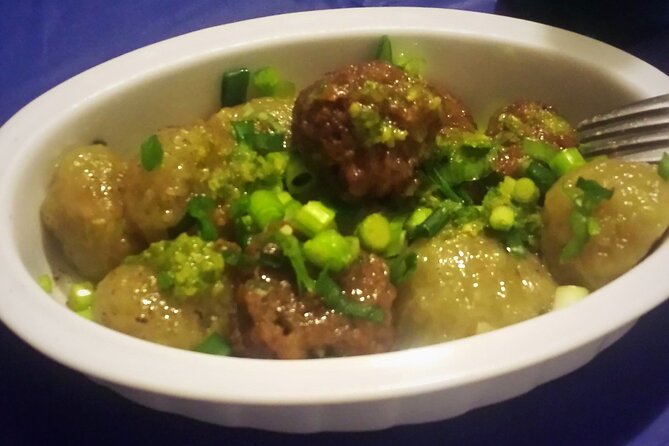
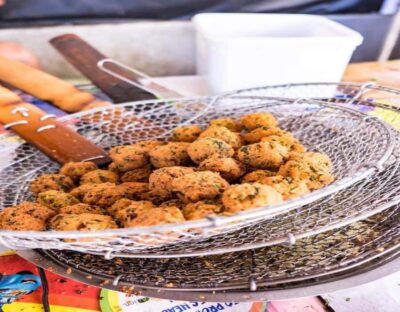
One of the featured bites is gato pima, a deep-fried chili snack made from soaked split peas, spring onions, and green chilies. The result is crisp, savory, and hot enough to make its presence known. These small fritters are a good example of why a food guide helps. You get the name, ingredients, and cultural setting instead of simply eating an unfamiliar fried snack.
The market stop also helps you compare fresh goods with the prepared food served during the walk. I appreciate that contrast. You see the raw materials, then taste some of the ways Mauritian cooks turn them into quick street food and lunch.
Company Garden and the great banyan trees
Les Jardins de la Compagnie, or Company Garden, provides a quieter section of the route. You spend about 20 minutes among large banyan trees, statues, benches, and fountains.
The garden began as a vegetable patch for the French East India Company during the early colonial period. Today it includes statues by local sculptor Prosper d’Épinay and a tribute to Ti Frère, a much-loved Mauritian musician.
After the market and Chinatown, this pause gives your feet a break and lets you take in Port Louis at a slower pace. The hanging banyan roots are especially memorable and give the garden a strong visual identity.
The garden is appealing during the day, but the supplied guidance advises avoiding it at night because it is a favored meeting place for sex workers and people using drugs. That warning is practical rather than a reason to skip the daytime stop. The tour visits in daylight, when the garden is considered safe and pleasant.
The food: what you actually get
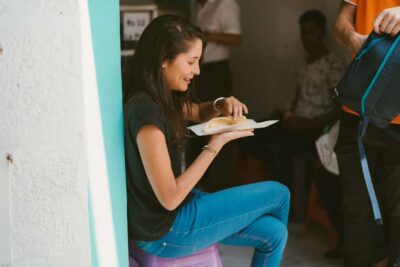
The tour includes snacks, lunch, food tastings, and bottled water. About eight dishes are served or sampled, although the exact menu is not listed in advance.
The clearest example is gato pima, but the food reflects several traditions. The route introduces Mauritian flavors shaped by Indian, Chinese, and African cultures, with Hakka Chinese dishes appearing in Chinatown.
You should arrive hungry. One published experience describes finishing the three-hour walk completely full, with enough food that more time was needed afterward to enjoy the banyan trees. That is useful advice: this is not a token tasting tour where you receive one bite at each stop.
At the same time, food tours can be personal. If you have dietary restrictions or strong dislikes, ask the operator before booking, since the available information does not list substitutions or an allergy policy. The guide’s ability to adapt to interests is encouraging, but it does not guarantee changes to every dish.
The format also suits people who want a local lunch without spending time choosing restaurants. You get several small tastes and a meal while moving through the places where Port Louis residents shop and work.
Guide quality and group size
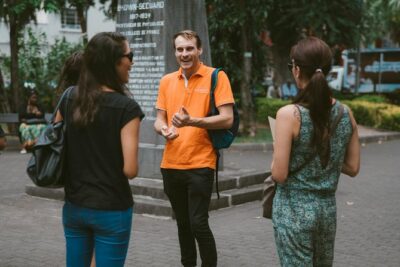
The group limit is 10 people. That is one of the tour’s best practical features. A smaller group makes it easier to hear explanations in a market and easier for the guide to respond to questions.
Dourvesh is the guide named in the available feedback. He is praised for giving the right amount of information and allowing some time for independent looking. That balance matters. A guide who talks constantly can turn a food walk into a lecture, while too little explanation leaves you wondering what you are eating.
The tour appears to keep a relaxed pace while still packing a lot into three hours. It is not designed as a free afternoon in Port Louis. You will move between several sites, stop for food, and return to the waterfront within the scheduled period.
Who should book this experience?
I would recommend this tour to a first-time visitor who wants an efficient introduction to Port Louis. It works especially well if you want food and culture together, rather than a restaurant meal separated from sightseeing.
It also suits solo visitors and couples who feel unsure about navigating the market or Chinatown alone. The guide provides a route through areas you might otherwise pass by, including older shopfronts and the central market.
History-minded visitors will appreciate Aapravasi Ghat. Food-focused visitors will enjoy the gato pima, the Chinese-influenced tastings, and the market setting. Families and older adults may also find the small group helpful, though the walk still requires several hours on city streets.
I would be more cautious if you dislike fried food, spicy flavors, crowds, or outdoor walking. The route is not a quiet culinary class, and the full food list is not published. Hot weather or rain can also affect the experience.
The tour requires good weather and a minimum number of participants. If poor weather or low demand causes cancellation, you are offered another date, another experience, or a full refund. You can cancel for a full refund up to 24 hours before the start time. Changes or cancellations inside that window are not accepted.
Final verdict: a strong first taste of Port Louis
You should book the Port Louis Street Food City Tour if you want one morning that covers the city’s food, trade, migration, religion, and public spaces. The route is well balanced, the food portion is substantial, and the small group keeps the walk personal.
The best reason to choose it is the combination of places: Aapravasi Ghat explains the island’s Indian indentured labor past, Chinatown shows its Chinese-Mauritian trading culture, the market puts ingredients and street food in front of you, and Company Garden gives you a restful finish beneath giant banyan trees.
At $49.40, it offers solid value for a guided three to four hour experience with lunch, multiple tastings, water, and admission at the listed stops. Skip it only if you need a fixed menu, dislike walking in busy streets, or prefer to explore Port Louis at your own pace.
FAQ
Where does the Port Louis Street Food City Tour begin?
The tour begins at IBL House at the Caudan Waterfront in Port Louis, Mauritius.
What time does the tour start?
The start time is 10 a.m.
How long does the tour last?
The experience lasts approximately three to four hours.
What food and drinks are included?
Snacks, lunch, food tastings, and bottled water are included. The tour features about eight dishes, including gato pima and food influenced by Indian, Chinese, and African cultures.
What places does the tour visit?
The route includes Aapravasi Ghat, Jummah Mosque, Chinatown, the central market, and Les Jardins de la Compagnie. The tour ends back at the meeting point.
How far in advance can I cancel for a full refund?
You must cancel at least 24 hours before the experience start time for a full refund. Poor weather or failure to reach the minimum number of participants may also lead to a rescheduled experience or full refund.
More Food in Mauritius
- Mauritius: Snorkeling with Turtles & Port Louis Street Food
★ 4.4 · 61 reviews - Mauritius: Catamaran Sunset Cruise with Food, Drinks & DJ
★ 4.0 · 28 reviews - Grand Baie: Guided Walking Food Tour
★ 4.9 · 20 reviews - Mauritius: Port Louis / China Town Food & Culture Tour
★ 4.7 · 10 reviews
More Food Tours in Mauritius
- Mahebourg Village Food Tour
★ 5.0 · 35 reviews - Grand Bay Food Tour
★ 5.0 · 21 reviews - Mahebourg Village Food Tour
★ 4.6 · 19 reviews - China Town & Port-Louis Mix Food Tour
★ 5.0 · 15 reviews
Recently added around Mauritius
- Mauritius: Watersport Adventure Day with Lunch and Pickup★ 3.9 · 3 reviews
- The Tea Story with Lunch★ 3.5 · 3 reviews
- Les septs Cascades Tamarind Falls★ 5.0 · 7 reviews
- Rodrigues Island – UNIVERS Tour★ 4.5 · 4 reviews
- Private Airport Transfer Mauritius From or To S.S.R International Airport★ 4.0 · 8 reviews
- Sweet Scenic 30KM★ 4.5 · 8 reviews
- Ocean Swim with Dolphins★ 4.0 · 4 reviews
- Crocodile Nature Park★ 4.5 · 9 reviews
Food & Drink, compared.

Snorkeling with Turtles & Port Louis Street Food
Read our review →
Sights of the South Private Tour with Rum Tasting
Read our review →
Browse the lists this tour appears in