Reviewed · GUIDED
Mauritius: Tea and Sugar Plantation Guided Tour with Lunch
Tea, sugar, and rum tell Mauritius’ story. This private, seven-hour tour links three working estates with colonial buildings, gardens, factory displays, tastings, and lunch, giving you a useful look at the island beyond its beaches. I especially like the small private group and the way guides such as Ibrahim and Sailen add local stories, plant knowledge, and personal attention. The tea tasting and Saint-Aubin lunch are the day’s strongest moments, though the rum stop can feel more sales-focused than educational.
Hotel pickup keeps the day simple, especially if you are staying far from the estates. You will walk through plantations and gardens, so comfortable shoes and protection from the sun make sense. The fixed three-course menu is part of the appeal, but it offers less flexibility if you have strong dietary preferences.
In This Review
- Key points at a glance
- Why this tour is a good match for Mauritius
- Domaine des Aubineaux and the old colonial setting
- Bois Chéri, where the tea story becomes practical
- Saint-Aubin combines sugar, rum, gardens, and lunch
- The three-course lunch at Saint-Aubin
- The guide can shape the whole day
- What the day feels like in practice
- Who should book this plantation tour?
- Should you book it?
- FAQ
- How long does the Mauritius tea and sugar plantation tour last?
- What locations are included?
- Is hotel transportation included?
- Is the tour private?
- What languages are available?
- Is lunch included?
- Are tea and rum tastings included?
Key points at a glance
- Three very different estates: Visit Domaine des Aubineaux, Bois Chéri, and Saint-Aubin in one carefully packed day.
- Private touring for up to two people: Your guide can answer questions and adjust the pace more easily than a large coach group.
- The tea portion is the star: See old factory machinery, tour the plantation, visit the museum, and taste tea with biscuits.
- Colonial Mauritius comes alive: Aubineaux’s house displays, old stable, photographs, and plantation setting add context to the island’s past.
- Lunch is more than a quick meal: Saint-Aubin serves a three-course menu, with vanilla-grown on the estate featured in some dishes.
- Strong guide performance: Ibrahim, Sailen, and Christopher have been singled out for their warmth, driving, island knowledge, and attention to detail.
Why this tour is a good match for Mauritius
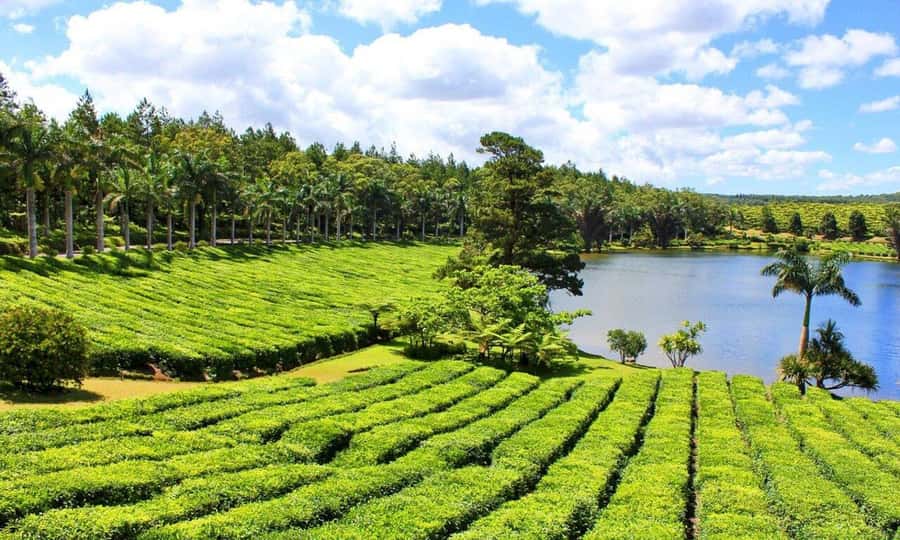
Mauritius is often sold through beaches and boat trips. Those are worthwhile, but they show only one side of the island. This excursion takes you inland, where tea fields, sugar cane, colonial estates, botanical gardens, and food traditions explain how Mauritius developed.
I like the way the tour joins several subjects instead of treating each site as an isolated stop. Tea production leads into plantation work. Sugar cane leads into rum. Vanilla, palm hearts, flowers, and local cooking appear at Saint-Aubin. The result feels less like a single factory visit and more like a day of connecting the island’s major crops with its culture.
The tour lasts 390 minutes, or six and a half hours. That is long enough to make the journey worthwhile, but short enough to leave you with part of the evening free. Since pickup and drop-off are included from hotels across Mauritius, you do not need to arrange separate transport between widely spaced estates.
The price is $350 per group of up to two people. For a couple, that is a substantial outlay, but it includes a private guide, transport, three estate visits, tea tasting, rum tasting, and lunch. The value improves if you would otherwise hire a car and pay separate entry fees, meals, and a guide. It is less appealing if you mainly want a quick plantation photo stop.
A few more Mauritius trips worth lining up side by side
- Mauritius: Tamarind Falls Guided Hike with Swim and Lunch
★ 4.8 · 105 reviews - Afternoon Guided Kayak Tour on the Tamarin River
★ 5.0 · 93 reviews - 2 Hours Guided Quad Bike Tour in Bel Ombre Nature Reserve
★ 5.0 · 92 reviews
Domaine des Aubineaux and the old colonial setting
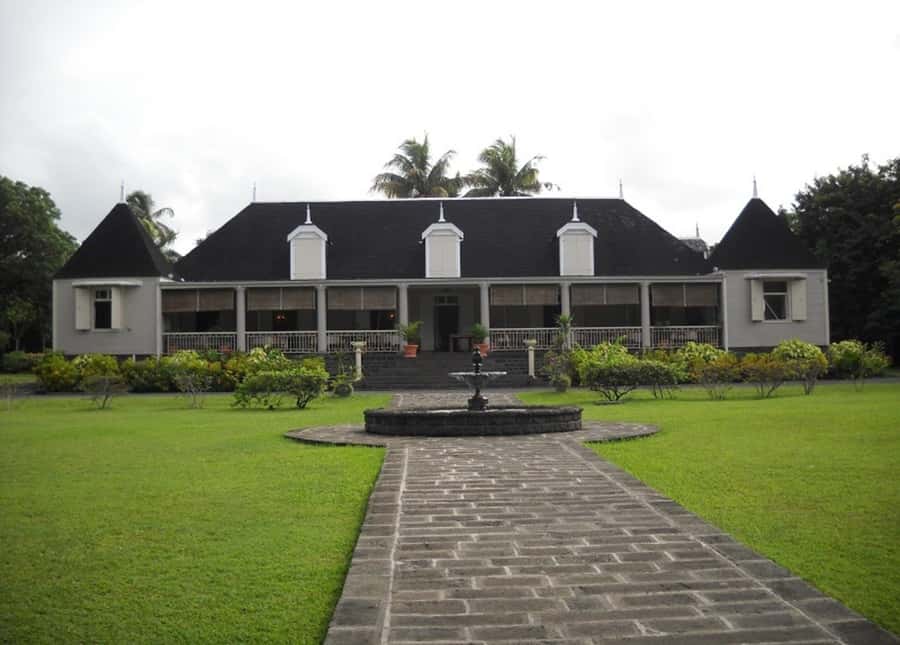
The first stop, Le Domaine des Aubineaux, sets the tone. Here you learn about Mauritius’ tea industry while looking at photographs connected with colonial houses and plantation life. The setting helps you picture tea not simply as a drink, but as an important part of the island’s economy.
The grounds add variety. You may see a camphor tree garden and trees from the endemic forest, with tea fields stretching into the surrounding countryside. This is a pleasant place to slow down after the hotel pickup and start noticing the plant life around you.
One of the more unusual features is the old stable, now used as a distillery. The visit includes an explanation of essential-oil distillation, which gives the stop a wider agricultural focus. You are not only looking at a grand house. You are seeing how an old estate has been adapted to explain production, plants, and local industry.
This stop is especially useful if you enjoy architecture and social history. It is not just a scenic garden visit. The photographs and colonial setting provide a frame for understanding who controlled plantations, how estates operated, and why tea remains part of Mauritius’ identity.
Your guide makes a real difference here. Ibrahim has been praised for explaining the island and its people in a calm, friendly way. Sailen has also received high marks for connecting the plants, buildings, and historical details. If your guide enjoys questions, this is a good place to ask how tea production fits into modern Mauritius.
Bois Chéri, where the tea story becomes practical
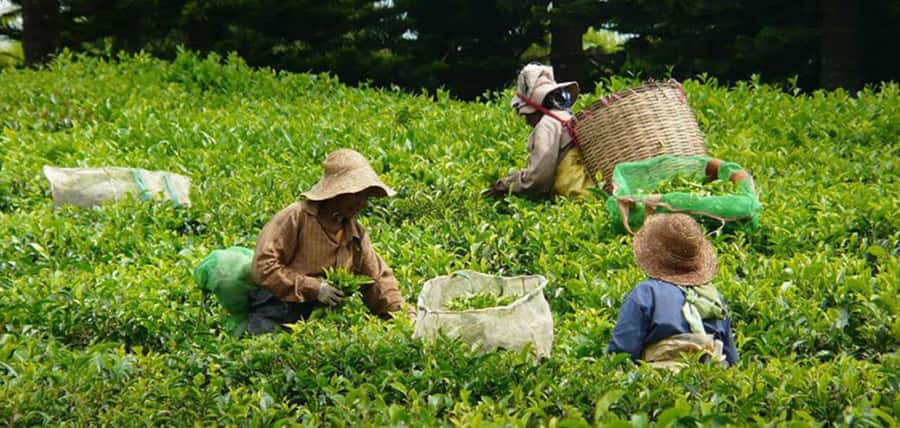
Bois Chéri is the main tea stop and likely the heart of the day. The factory visit shows how tea is produced, with old machines, photographs, tables, and documents from the nineteenth century. These displays give the process a physical setting rather than reducing it to a short explanation over a cup of tea.
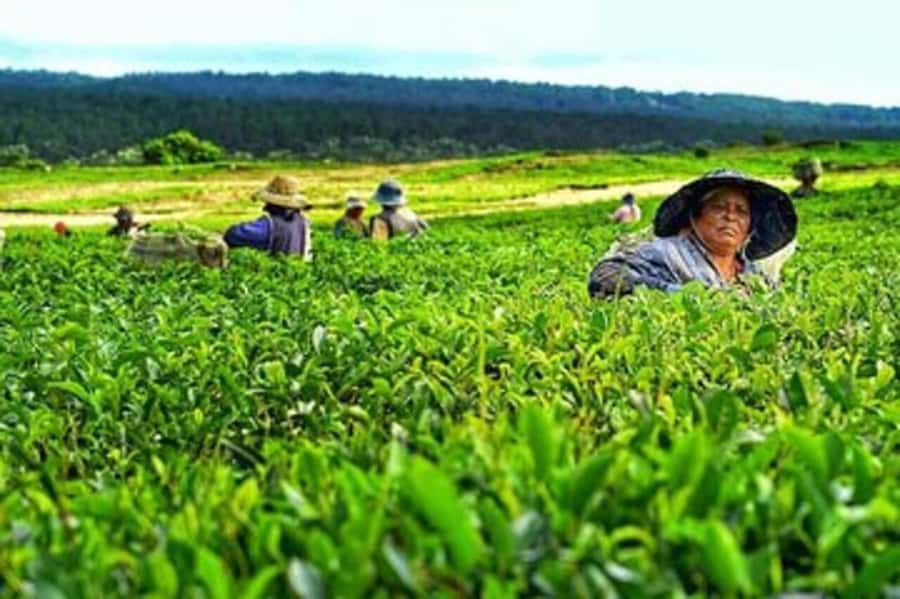
You also walk through the tea plantation. The rows of tea plants and open farm surroundings make it easier to understand the work involved before the leaves reach a packet or teapot. Your guide can point out the importance of tea production in Mauritius and add stories connected with Bois Chéri.
The tea museum continues the story indoors. Older equipment and written records help link the plantation to the island’s past. I find this combination more useful than a factory tour alone because you get both the production side and the cultural context.
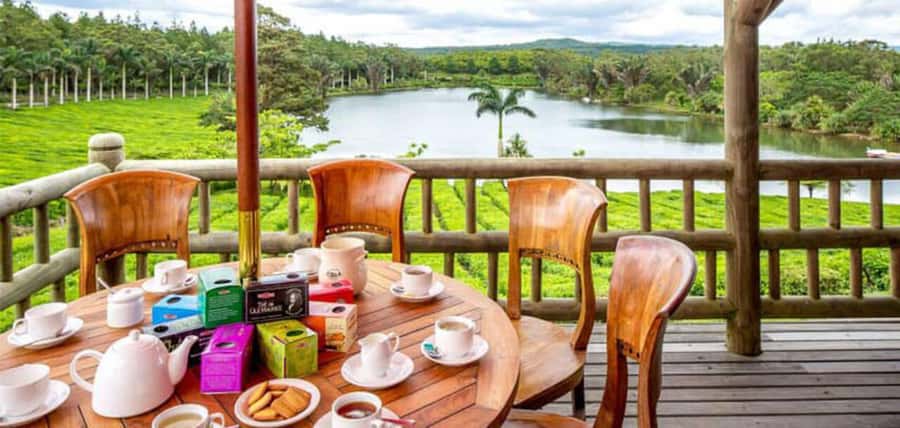
The tasting takes place at the chalet and includes biscuits. It is a simple detail, but it gives the stop a pleasant finish. You can compare the tea while looking out over the plantation setting, rather than rushing through a counter-service sample.
This part of the tour receives the most consistent praise. Ibrahim has been described as excellent at explaining tea production, while Christopher made a strong impression at Bois Chéri. Sailen has also been praised for his broad knowledge and friendly manner.
There is one practical warning. A January tour missed part of the route because of early closing for New Year’s Eve, including the tea factory. If you book close to a public holiday, confirm that all three estate visits will operate at the planned times. The guide handled the rest of that day well, but missing the factory would be a real disappointment for anyone primarily interested in tea.
Saint-Aubin combines sugar, rum, gardens, and lunch
The final estate, Le Domaine de Saint-Aubin, shifts the focus from tea to sugar cane and rum. You learn that sugar cane grown on the estate is used to make rum, and rum tasting is included.
The rum portion may not be as strong as the tea visit. One account found the staff’s explanations brief and felt the presentation leaned toward selling bottles. That does not erase the value of the stop, but it is worth setting expectations. Think of it as a tasting connected with the estate, not necessarily a detailed technical tour of distillation.
Saint-Aubin offers plenty beyond rum. The botanical walking trail includes anthurium flowers and vanilla greenhouses. You also visit the farm, where fawns, chicks, and peacocks are part of the setting. These details make the stop appealing if you like gardens, small farms, and unusual plant displays.
The garden walk is also where a good guide can add extra value. Sailen has been praised for identifying plants that many people would walk past, and for explaining local vegetation with patience. Ibrahim has also been praised for adding spontaneous touches, including stopping to cut a piece of sugar cane so it could be tasted fresh.
That kind of moment is why a private tour can work well. You are not tied to a large group’s questions or forced to move past every interesting plant. The experience still follows a set route, but the guide has more room to respond to what catches your attention.
Still Mauritius, just a completely different sort of day:
- Mauritius: Private Southwest Chamarel Highlights Tour
★ 4.8 · 1,427 reviews - Mauritius: Private South-West Nature & Viewpoints with Lunch
★ 4.8 · 1,129 reviews - Hiking Le Morne Brabant
★ 5.0 · 661 reviews - Mauritius: Private Full-Day Iconic Instagram Spots
★ 4.8 · 548 reviews
The three-course lunch at Saint-Aubin
Lunch is served on the Saint-Aubin grounds and is included in the price. It is a three-course meal, and the food is one of the most praised parts of the experience.
The menu can include estate-grown vanilla in imaginative ways. One meal featured vanilla chicken, vanilla bread, and palm-heart salad. Another account praised the way vanilla appeared across the courses. These dishes make the meal feel tied to the estate rather than added as an unrelated restaurant stop.
You should know that the menu is fixed. One person specifically wanted the ability to change dishes and order separately, with extra costs paid as needed. If you need substantial menu flexibility, ask about the meal arrangements before booking.
For most people, the fixed menu is a benefit. It keeps the schedule moving and lets you sample a planned series of local flavors without making decisions at the table. The lunch also gives you a proper pause after the plantation walks and tastings.
The setting matters, too. Eating on the estate grounds makes the meal feel like part of the visit, not merely fuel between attractions. If food is a major reason you travel, this is one of the tour’s best arguments for its price.
The guide can shape the whole day
This is a private group tour, and guide quality appears to be one of its biggest strengths. Ibrahim is repeatedly praised for being calm, attentive, friendly, and well informed about Mauritius. Sailen receives similar praise for his history, plant knowledge, safe driving, and willingness to share local suggestions. Christopher is also noted positively for the Bois Chéri visit.
I would request a preferred guide when booking, but I would not treat a particular name as guaranteed. The important point is the guide-to-guest ratio. With up to two people, you can ask about tea farming, colonial buildings, plants, food, or local life without waiting for a whole bus to finish taking photos.
Several guides have also helped guests beyond the formal subject of the tour. Sailen recommended restaurants, answered broad questions about the island, and was praised for making the day feel personal. Ibrahim was appreciated for listening to preferences and never rushing.
The private format does not mean every stop will be entirely flexible. Estate opening times and the fixed route still control much of the day. But you should get more conversation, fewer queues, and a more relaxed feel than on a large group outing.
What the day feels like in practice
Your day begins with pickup in the hotel lobby. Since pickup is available throughout Mauritius, the tour can fit into a wider island stay without requiring you to reach a central meeting point.
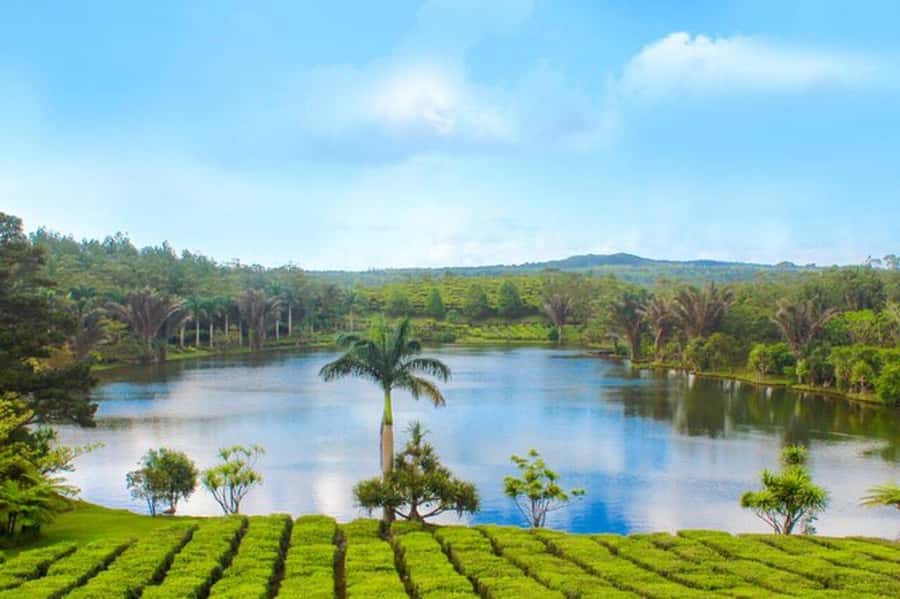
From there, the route moves through estate grounds, plantation areas, factory displays, gardens, and tasting rooms. Expect a mix of walking and time in the vehicle. The walking is not described as a strenuous hike, but comfortable shoes remain sensible because you will be outside on plantation and botanical paths.
The day has a clear rhythm:
- Colonial buildings and estate history at Aubineaux
- Tea fields, factory machinery, museum displays, and tasting at Bois Chéri
- Sugar cane, rum, vanilla, flowers, farm animals, and lunch at Saint-Aubin
That variety keeps the excursion from feeling repetitive. It also means the day is fairly full. If you prefer one slow location with lots of unplanned time, this may feel busy. If you want one outing that covers several inland subjects, the pace makes good sense.
The tour is wheelchair accessible, according to the activity details. Because the route includes plantation and garden visits, it is still sensible to discuss your specific mobility needs with the provider before booking.
Who should book this plantation tour?

I would choose this tour if you want to understand Mauritius through food, farming, and colonial-era estates. It suits couples especially well because the $350 rate covers up to two people and the private format gives you room to ask questions.
It is also a strong fit for:
- First-time visitors who want more than beach time
- People interested in tea, sugar, rum, vanilla, and local cooking
- Anyone who prefers a private guide to a large coach group
- Visitors who enjoy gardens, old buildings, and farm settings
- Couples who value included transport and lunch
Families may enjoy the animals, tea tasting, and open grounds, though the historical explanations and factory displays will appeal most to adults and older children. The experience is offered in English and French.
You may want to skip it if your main goal is a long rum-making demonstration, a highly customizable lunch, or a slow day at one estate. The rum section can be less informative than the tea portion, and the fixed meal will not suit every diet or preference.
Cancellation is free up to 24 hours before the tour, and you can reserve now while paying later. Those terms help if your Mauritius schedule is still changing, but they do not replace checking holiday opening times.
Should you book it?
Yes, if you want a well-rounded inland day that combines tea production, plantation history, gardens, rum, and food. The tea visit at Bois Chéri is the main reason to go, while Saint-Aubin’s lunch and botanical walk give the day its character.
At $350 for up to two people, this is not a bargain excursion. It is a fair private-tour price when you count hotel transport, a guide, three estates, tastings, and lunch. I would book it for the access and context, not simply for the number of stops.
Before confirming, ask about the guide, the fixed lunch menu, and opening times if you are visiting around a holiday. If you can secure Ibrahim or Sailen, and you like learning how a place works rather than only photographing it, this is one of the more worthwhile ways to spend a day away from Mauritius’ coast.
FAQ
How long does the Mauritius tea and sugar plantation tour last?
The tour lasts 390 minutes, or six and a half hours.
What locations are included?
The route includes Le Domaine des Aubineaux, Le Domaine de Bois Chéri, and Le Domaine de Saint-Aubin.
Is hotel transportation included?
Yes. Pickup and drop-off from your hotel are included, with pickup arranged from the hotel lobby.
Is the tour private?
Yes. It is a private group experience for up to two people.
What languages are available?
The live guide service is available in English and French.
Is lunch included?
Yes. A three-course lunch at Saint-Aubin is included.
Are tea and rum tastings included?
Yes. Tea tasting with biscuits is included at Bois Chéri, and rum tasting is included at Saint-Aubin.
Recently added around Mauritius
- Mauritius: Watersport Adventure Day with Lunch and Pickup★ 3.9 · 3 reviews
- The Tea Story with Lunch★ 3.5 · 3 reviews
- Les septs Cascades Tamarind Falls★ 5.0 · 7 reviews
- Rodrigues Island – UNIVERS Tour★ 4.5 · 4 reviews
- Private Airport Transfer Mauritius From or To S.S.R International Airport★ 4.0 · 8 reviews
- Sweet Scenic 30KM★ 4.5 · 8 reviews
- Ocean Swim with Dolphins★ 4.0 · 4 reviews
- Crocodile Nature Park★ 4.5 · 9 reviews
Guided, compared.

Le Morne Mountain Guided Sunrise Hike and Climb
Read our review →